Published on Apr 13, 2026
Best Thermal Test Equipment for Automotive & Semiconductor Reliability Testing
Reliability testing in semiconductor and automotive electronics has evolved rapidly over the last few years. Devices are smaller, power densities are higher, and operating environments are harsher than ever.
In the era of AI where speed and accuracy go hand in hand, thermal test equipment is no longer just a qualification requirement — it is a critical enabler of faster development, higher yields, and predictable field performance.
This guide outlines the best thermal test equipments, how each category fits into semiconductor and automotive electronics testing, and what engineering teams should evaluate before making an investment.
Why Thermal Test Equipment Is Critical
Modern electronic systems must operate reliably across wide and dynamic temperature ranges:
- Automotive ECUs face cold starts, under-hood heat, and rapid thermal transitions
- Semiconductor devices are increasingly sensitive to temperature-induced parametric shifts
- Power and mixed-signal devices experience real-time thermal stress during operation
Thermal test equipment helps teams uncover:
- Temperature-dependent electrical failures
- Package and solder joint fatigue
- Reliability risks before field deployment
- Performance drift across operating extremes
Now, focus has shifted from just surviving stress to understanding functional behaviour at temperature.
Major Categories of Thermal Test Equipment
1. Thermal Cycling Chambers
Best suited for: Long-term reliability and qualification testing
Thermal cycling chambers expose devices or assemblies to repeated high and low temperature cycles over extended durations.
Common applications
- JEDEC and automotive qualification
- Reliability stress testing
- Batch testing of PCBs and assemblies
Strengths
- Supports large sample sizes
- Well-aligned with industry standards
- Proven for endurance and fatigue testing
Limitations
- Slow ramp rates due to large thermal mass
- Limited control over actual device temperature
- Not ideal for real-time functional testing
Thermal cycling chambers answer: “Will this product survive repeated temperature stress over time?”
They remain essential — but they are no longer sufficient on their own.
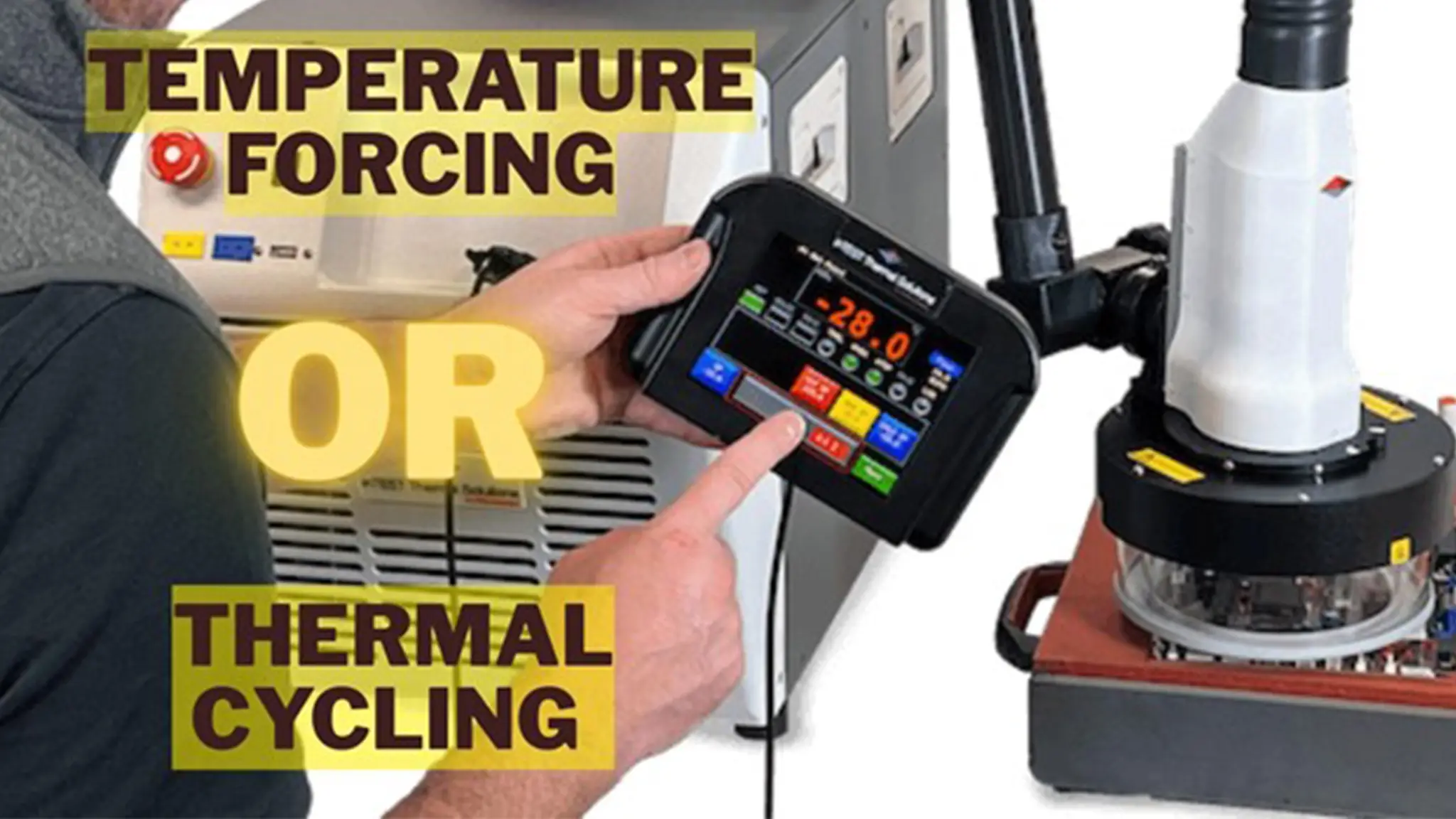
2. Temperature Forcing Systems
Best suited for: Functional testing, characterisation, and fast validation
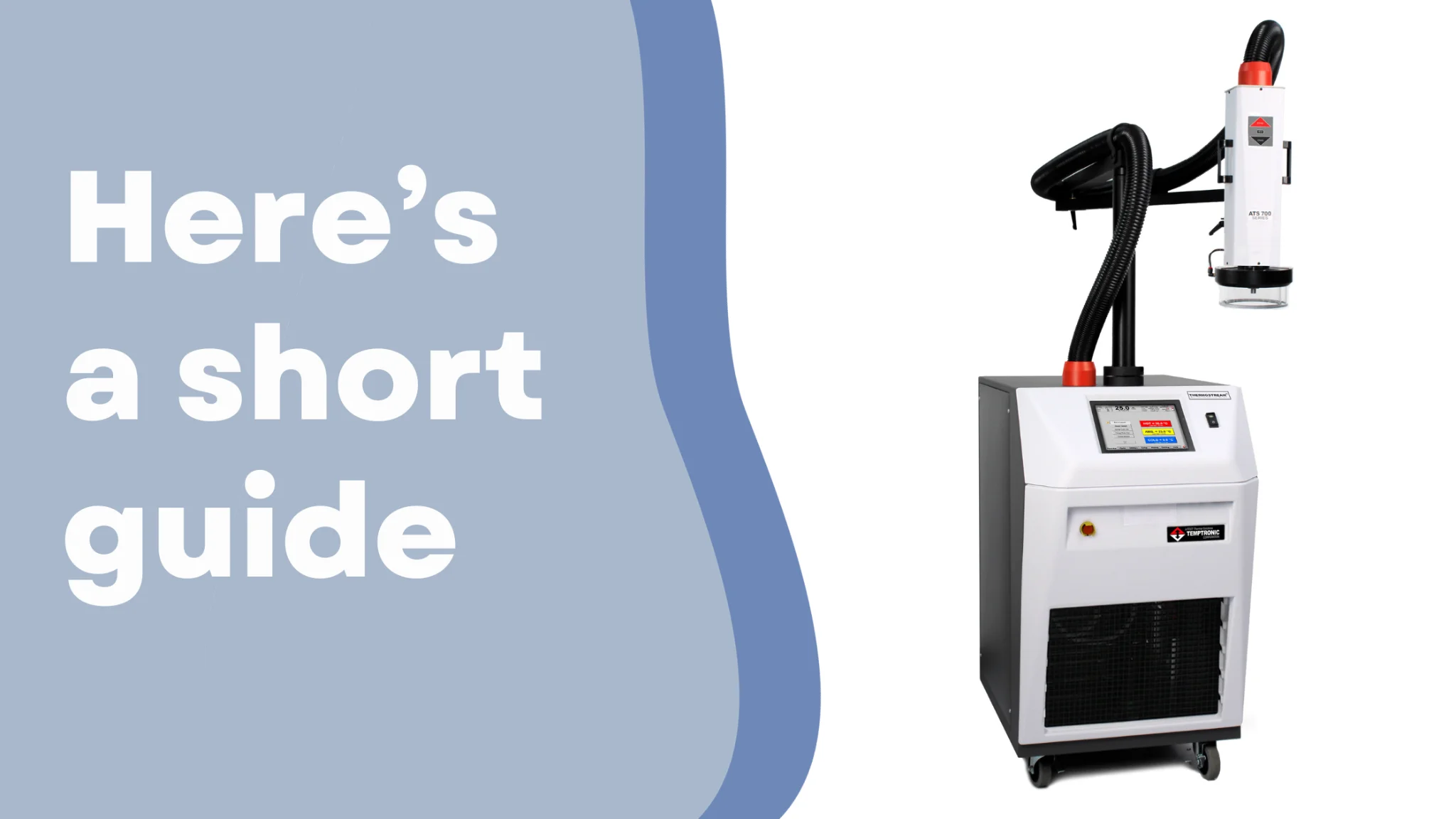
Temperature forcing systems deliver hot or cold conditioned air directly to the device under test (DUT), enabling rapid temperature changes and precise control at the device level.
Solutions from manufacturers such as inTEST Thermal Solutions, supported in India by Globetek, are widely adopted in semiconductor and automotive electronics labs where speed and accuracy matter.
Typical use cases
- Semiconductor characterisation and validation
- Automotive electronics functional testing
- Failure analysis and debug
- Production test optimisation
Key advantages
- Very fast temperature ramp rates
- Wide operating temperature ranges
- High accuracy at the DUT
- Easy integration with ATE, handlers, and probe stations
Temperature forcing systems answer: “How does this device behave electrically at this temperature — right now?”
In this era, this capability is no longer niche — it is becoming standard in advanced test environments.
3. Environmental Test Chambers
Best suited for: Combined stress testing
Environmental chambers apply temperature along with additional stress factors such as:
- Humidity
- Vibration
- Mechanical or environmental load
Common applications
- Automotive qualification
- Environmental stress screening
- Compliance and standards testing
While these systems remain important, they are typically used alongside — not instead of — temperature forcing systems when functional insight is required.
Best Thermal Test Equipment by Application
Semiconductor Reliability & Characterisation
Semiconductor testing prioritises:
- Faster iteration cycles
- Accurate device-level temperature control
- High correlation between test results and field performance
Recommended approach
- Thermal cycling chambers for qualification and endurance
- Temperature forcing systems for characterisation, validation, and debug
This dual approach allows teams to meet standards without slowing down development.
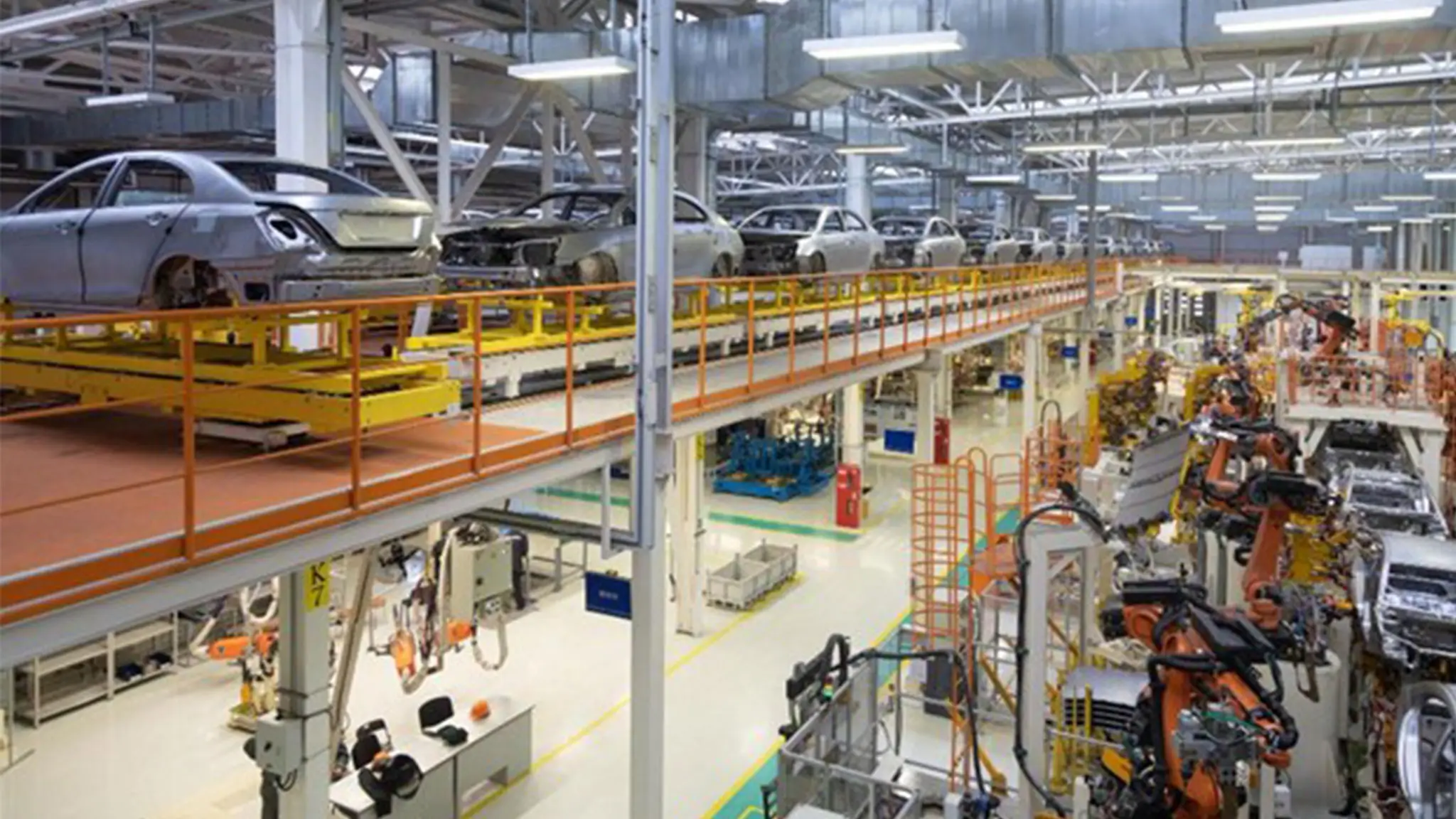
Automotive Electronics Testing
Automotive electronics face extreme and rapidly changing thermal environments.
Best-fit equipment
- Thermal cycling chambers for qualification
- Temperature forcing systems for functional testing, cold-start validation, and high-temperature operation
Temperature forcing systems are particularly valuable for:
- ECUs and control modules
- Power electronics
- Automotive semiconductor devices
Electronics Manufacturing & Production Testing
In production, test time directly impacts cost and throughput.
Best choice
Temperature forcing systems integrated into production test flows
By reducing thermal stabilisation time, manufacturers can:
- Increase test throughput
- Minimise bottlenecks
- Improve yield analysis and failure detection
Now, production teams increasingly favour systems that combine speed with precision, rather than relying solely on batch chambers.
Key Factors to Evaluate Before Buying Thermal Test Equipment
1. Temperature Range and Stability
Ensure the system supports:
- Required low and high temperature limits
- Stable control at the device level
- Repeatable and reliable results
2. Ramp Rate and Throughput
Faster ramp rates enable:
- Shorter test cycles
- Higher lab productivity
- Faster debug and validation
This is especially important in semiconductor R&D and automotive validation labs.
3. Integration with Existing Test Infrastructure
Modern labs require seamless integration with:
- Automated test equipment
- Handlers and probe stations
- Software and data systems
Temperature forcing systems are often preferred because they integrate cleanly into existing workflows.
4. Local Support and Application Expertise
Thermal test equipment is only as effective as its implementation.
Working with experienced suppliers — such as Globetek, which provides local support for inTEST Thermal Solutions in India — ensures:
- Correct system selection
- Faster commissioning
- Ongoing technical support
Thermal Test Equipment Trends
- Increased adoption of temperature forcing systems for functional testing
- Hybrid strategies combining chambers and forcing systems
- Greater focus on device-level temperature accuracy
- Demand for compact, high-performance thermal solutions
The shift is clear: speed, precision, and insight now matter as much as temperature range.
Final Thoughts
There is no single “best” thermal test system — only the right system for the right test objective.
Leading semiconductor and automotive electronics teams rely on combined thermal test strategies, using:
- Thermal cycling chambers for long-term stress and qualification
- Temperature forcing systems for fast, precise functional evaluation
Choosing the right thermal test equipment enables better reliability insights, faster development cycles, and more confident product launches.
Read More