
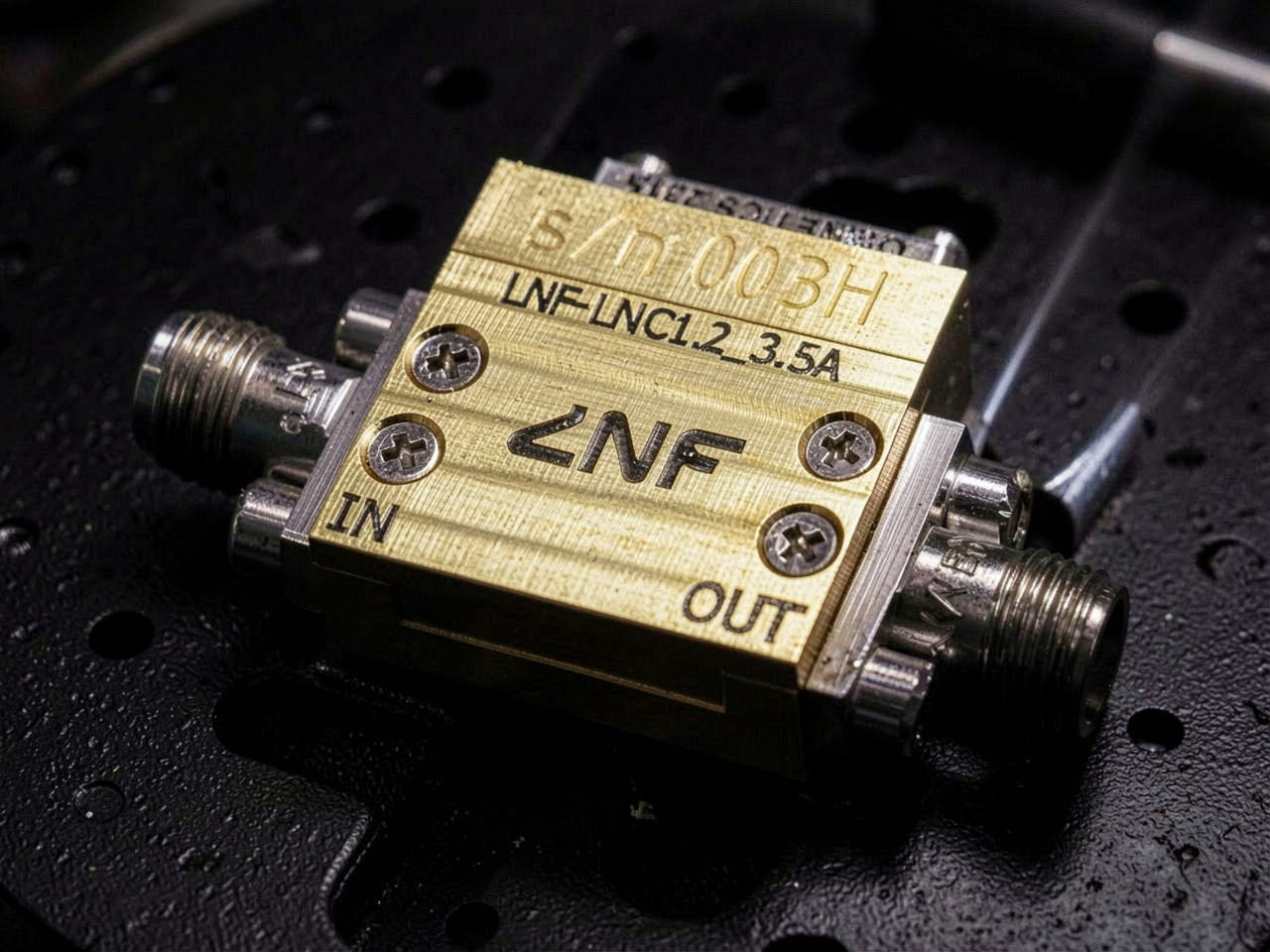
Learn how a Cryogenic RF Amplifier works, explore its technology, specifications, applications, and discover why cryogenic LNAs are critical for deep space communication and radio astronomy.
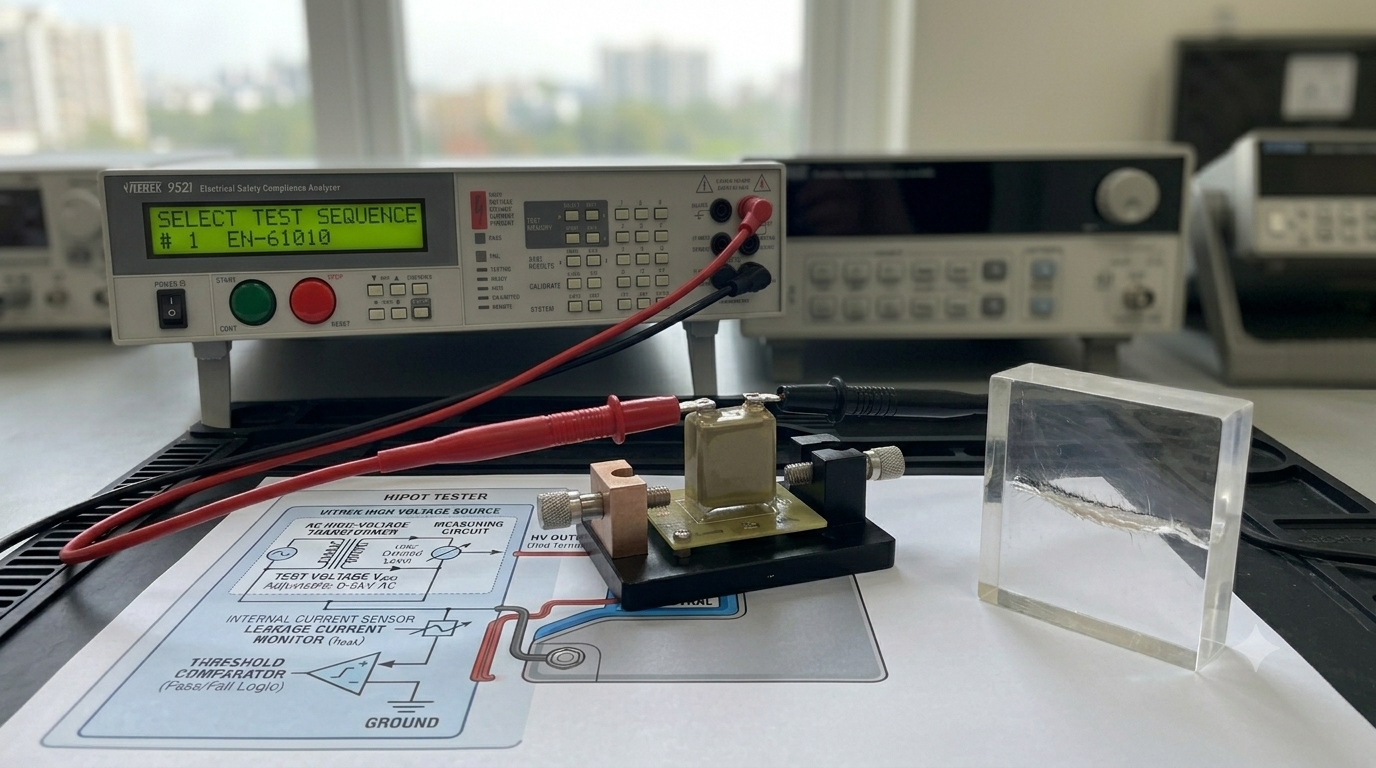
Learn the differences between dielectric strength testing and hipot testing, their applications, IEC standards, and how to choose the right electrical safety test.
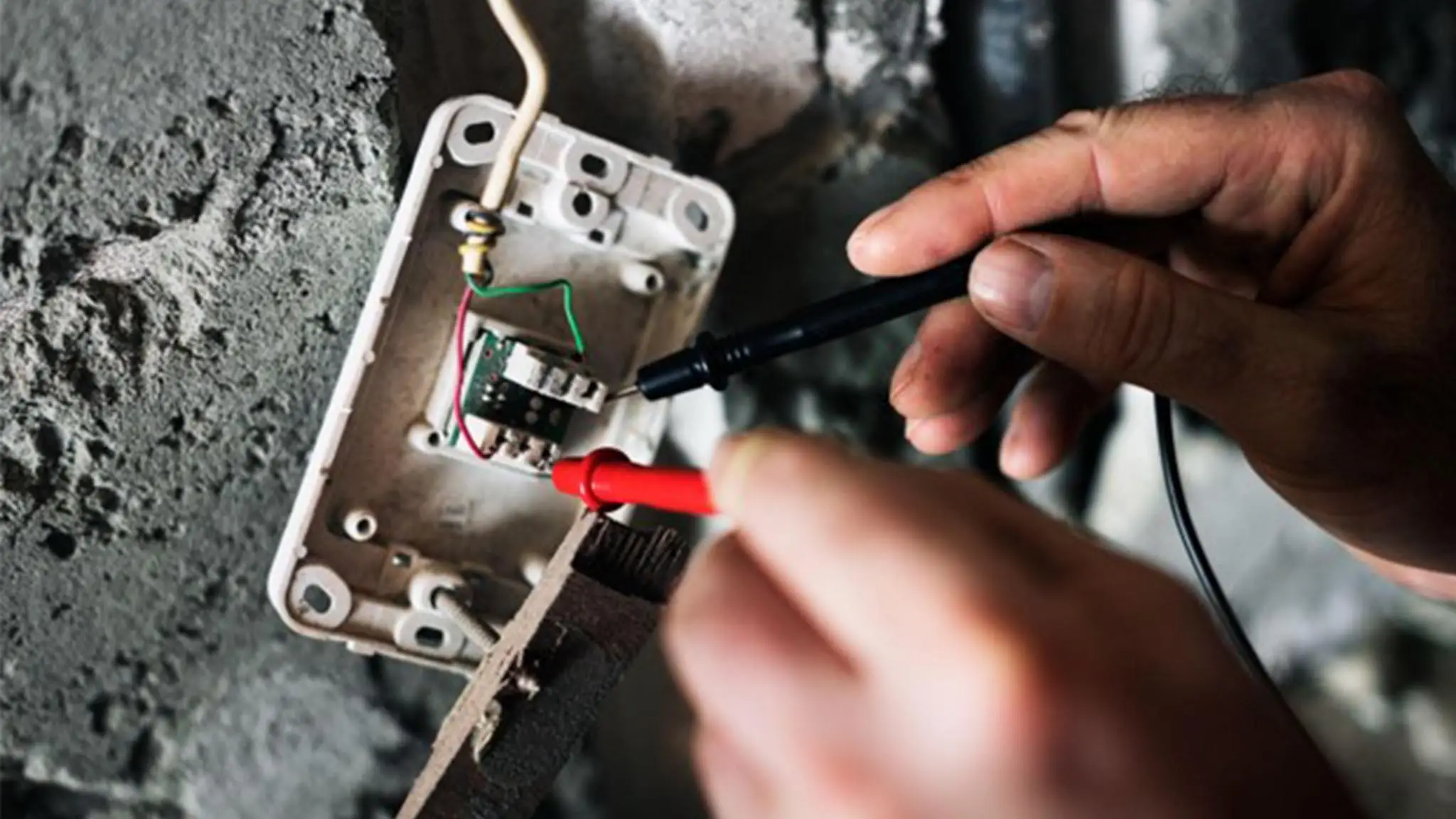
Using a hipot tester’s leakage readout as a substitute for a proper leakage current measurement is like checking your tyre pressure with a nail gun. It will tell you something, but not the right thing. Hipot leakage is measured at overvoltage through potentially compromised insulation; touch current is measured at rated voltage through an intact, operating product. The numbers are not comparable, and a certification body will not pretend otherwise.
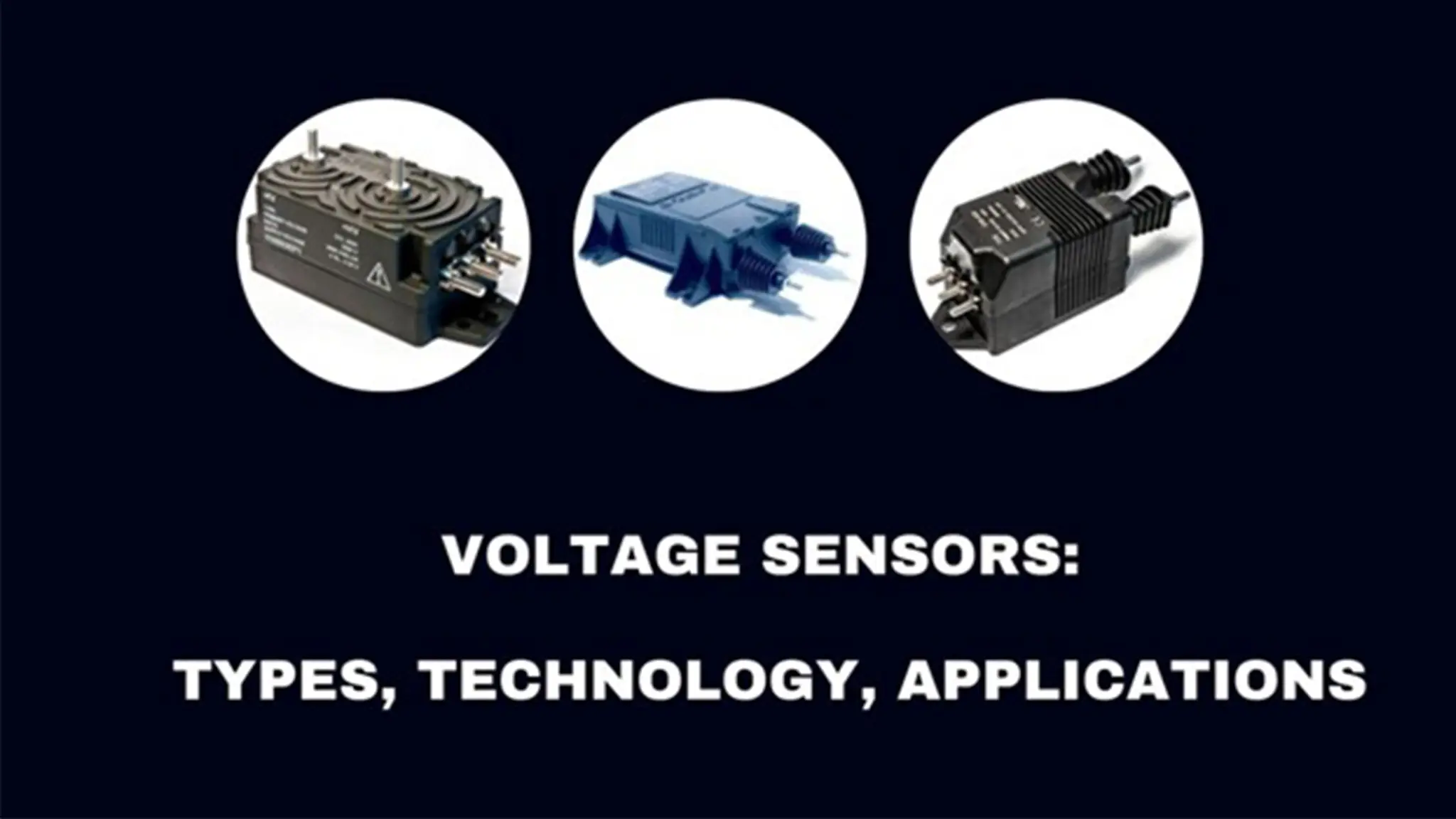
A voltage sensor is an electronic device used to detect, measure, monitor, and isolate electrical voltage in industrial and electronic systems.

An AC current sensor is a device that measures alternating current by detecting the changing magnetic field around a conductor, without direct electrical contact.

As semiconductor and electronics manufacturing in India continues to scale in 2026, demand for reliable thermal test equipment has grown sharply.

Reliability testing in semiconductor and automotive electronics has evolved rapidly over the last few years. Devices are smaller, power densities are higher, and operating environments are harsher than ever.

When a semiconductor team begins validating a new processor or FPGA, they rarely solder the chip directly onto the test board. Instead, the device is placed into a test socket, allowing engineers to insert, remove, and test multiple ICs during development.

Modern electronics, from AI processors and telecom equipment to embedded systems, rely heavily on Ball Grid Array (BGA) packaged integrated circuits. BGA packages allow manufacturers to place hundreds or even thousands of connections under a chip, improving electrical performance while saving board space.
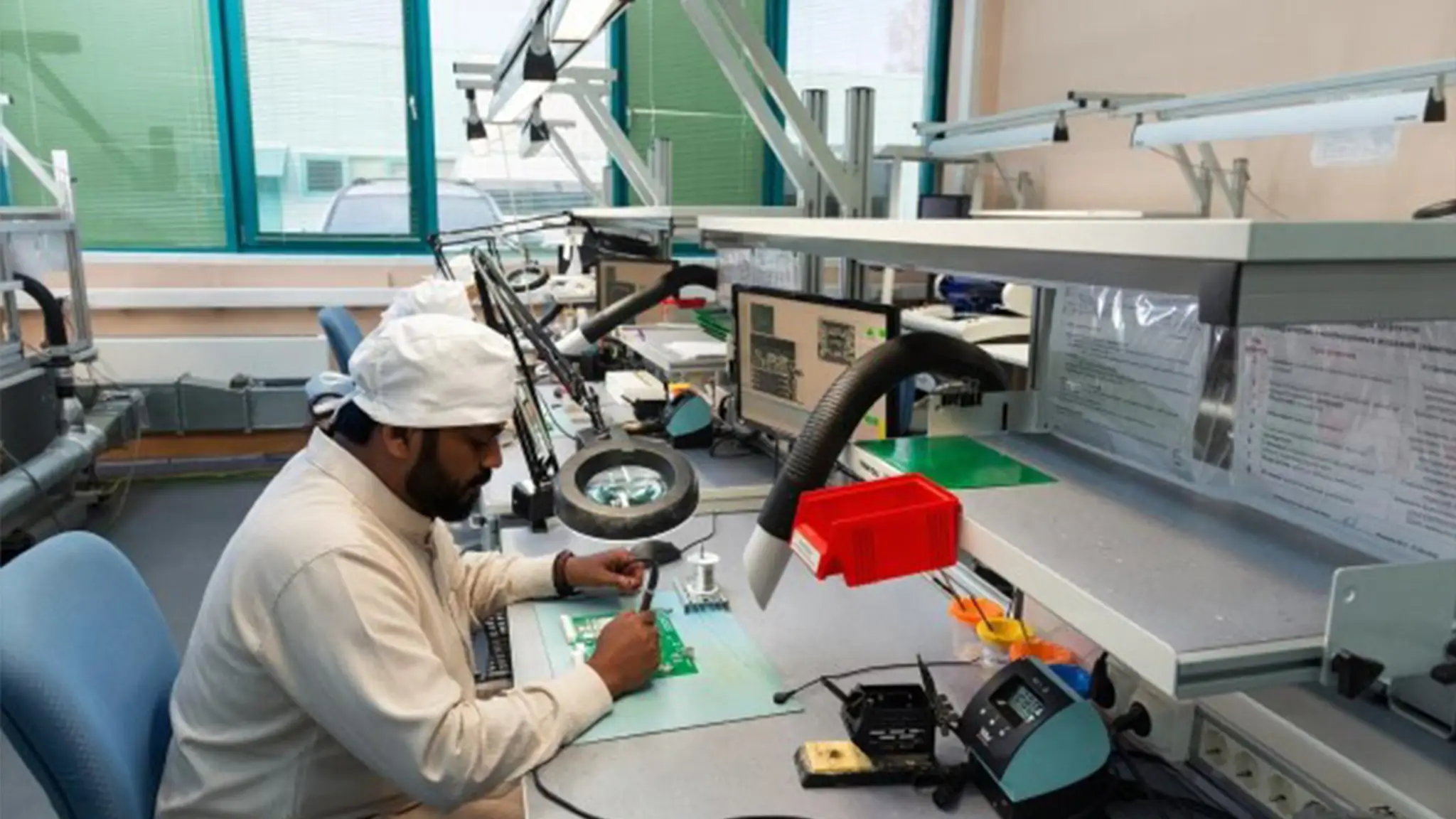
If you’re validating a semiconductor device that must perform reliably at –40°C during cold starts and +125°C under peak operating conditions, you need to observe electrical behaviour, timing margins, and functional performance at the exact moment the temperature changes.